Mission
To build the step change in energy density needed to truly unleash mass adoption of electrification: a new material, a new platform, a new manufacturing model, developed and made here in the USA.

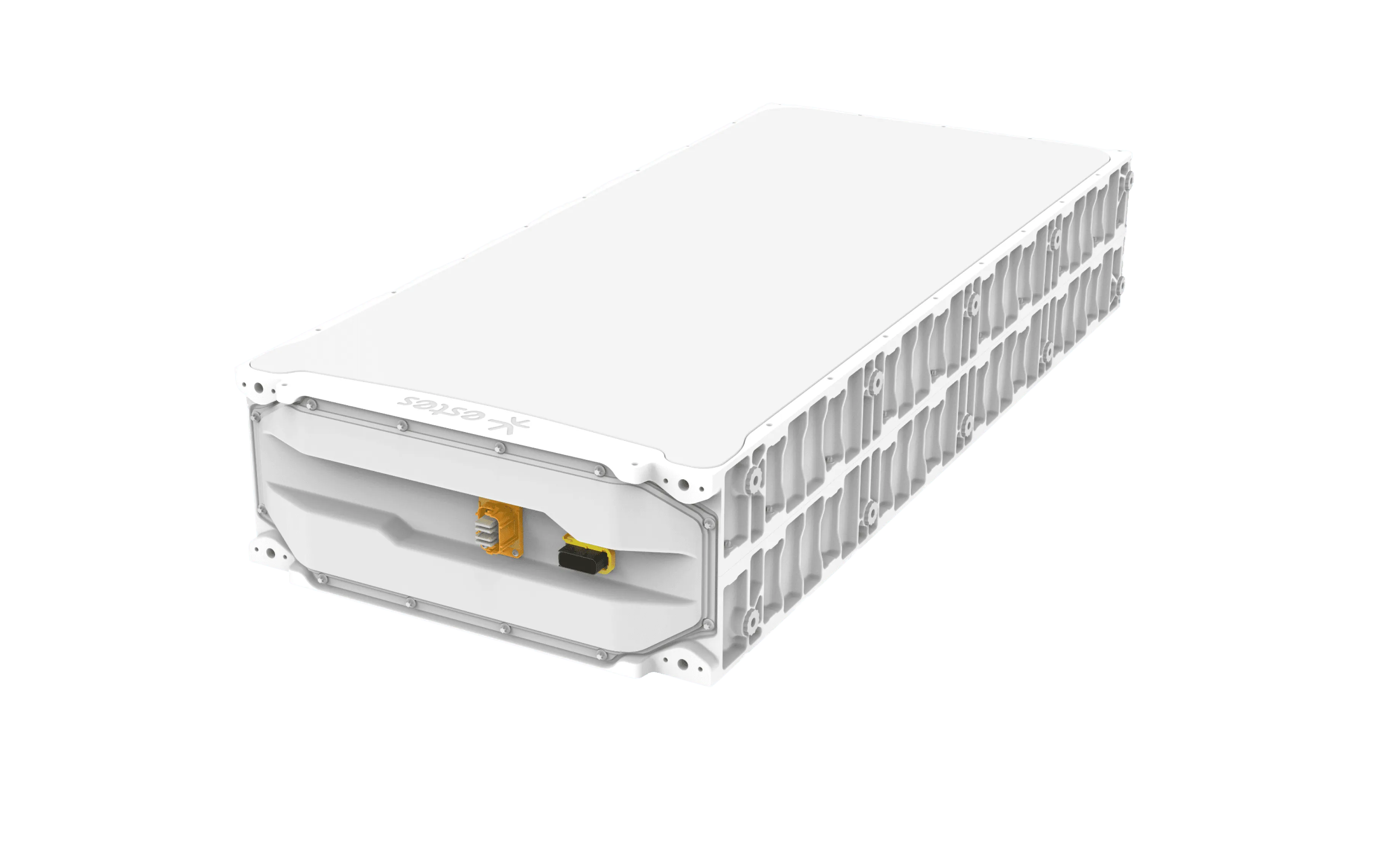
Raw magnesium in. Finished battery platform out. Every step happens on US soil, through processes Estes invented. Magnus qualifies from the ground up for Buy America requirements, DoW non-FEoC mandates, and supply chain resilience standards.

Conventional battery packs worked for passenger cars. The engineers who built those platforms understood early on that the energy density curve using conventional design would hit a ceiling, and would never unlock the market for electrified marine, aviation, rail, construction, mining, and on and off highway commercial vehicles - their requirements and economics demand a new class of energy density and cost.
The industry can't wait for a better cell. It needs an entirely new battery pack platform. The Magnus battery platform delivers 230 Wh/kg today, and is designed to unlock markets that conventional packs cannot serve.
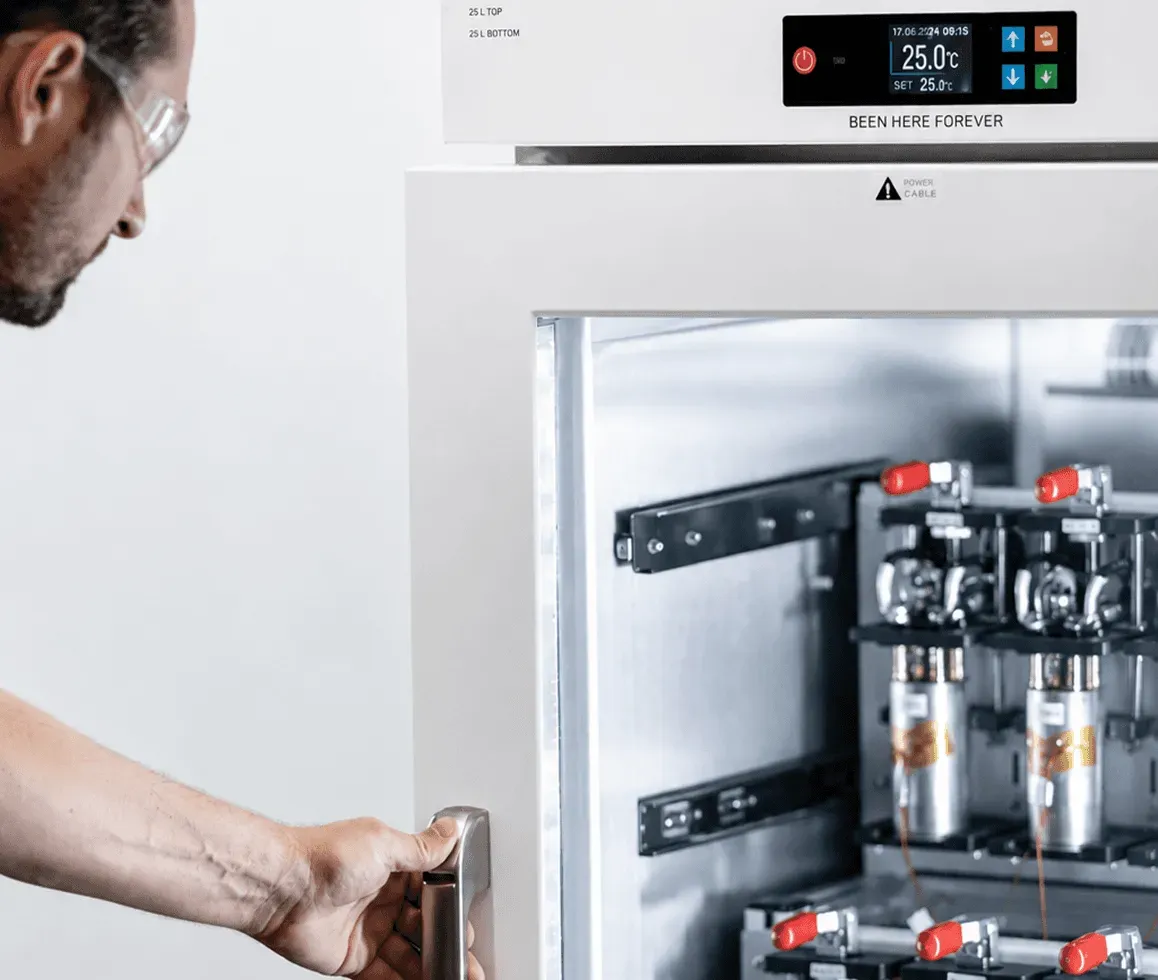
In the 2000s, Estes engineers built the first passenger car batteries. In the 2010s, Estes engineers built world class R&D centers and gigafactories. Now, Estes engineers have designed an entirely new platform to drive the era of electrification.
One platform that can free rail from dependency on costly infrastructure; one platform dense enough to deliver the range that’s kept maritime tied to diesel; one platform light enough to make the math solve for electric aviation.

Dustin spent nearly a decade at Tesla, from the original Roadster through Model 3, pioneering EV technology from its beginning. He then spent nearly another decade developing and manufacturing battery technology for the commercial vehicle sector, standing up three U.S. factories and scaling a global battery pack business from scratch. Conventional battery pack architecture has long struggled to meet the weight, cost, and manufacturing-scale demands of electrification at true scale. Dustin founded Estes in April 2024 to solve that problem at the materials level, with a giga-scale magnesium platform built to supersede the architectures the industry has relied on for over two decades.

Tolga is an expert commercial problem solver in the electromobility sector, with over 15 years of experience in vehicle electrification, commercial strategy, and business development. As the Head of Partnerships at Estes, a North American EV technology provider specializing in third-generation battery systems for commercial vehicles, Tolga plays a pivotal role in advancing the company’s mission to deliver innovative, energy-efficient vehicle electrification solutions.

David is a leader in battery engineering with over 13 years of experience in the electric vehicle and energy storage industries. Known for his contributions to groundbreaking EV technologies, advanced battery systems, and technical leadership, David holds both a Bachelor’s and Master’s degree in Mechanical Engineering from the Georgia Institute of Technology.
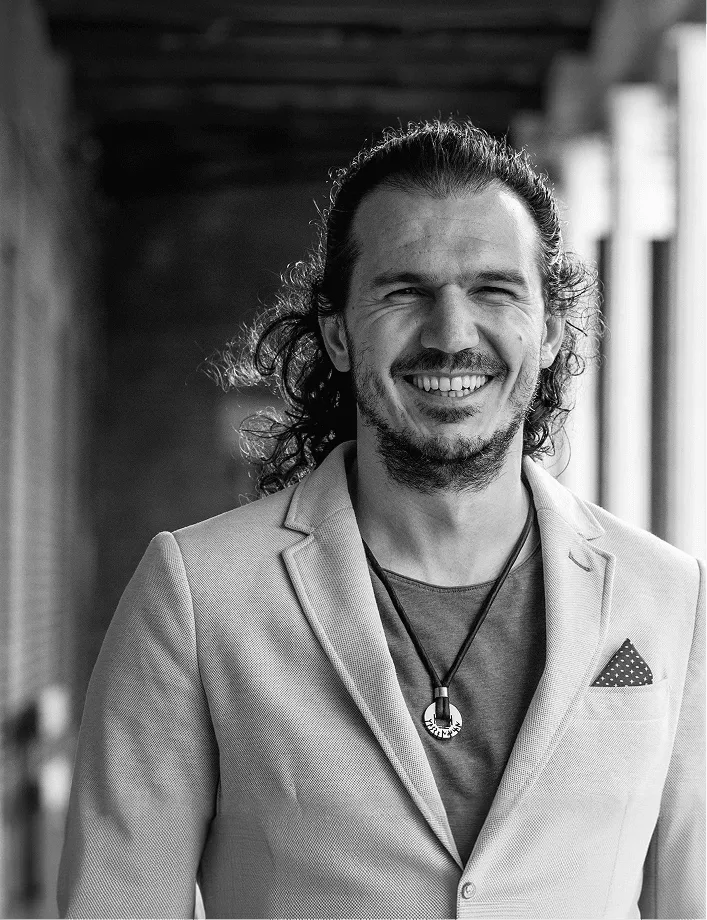
Çağkan is a trusted engineer and technical leader with over 15 years of experience, forged in the crucible of innovation in battery systems and manufacturing for the automotive and energy sectors. His career has been one long adventure of turning complex challenges into cleaner, more efficient solutions for commercial vehicles.
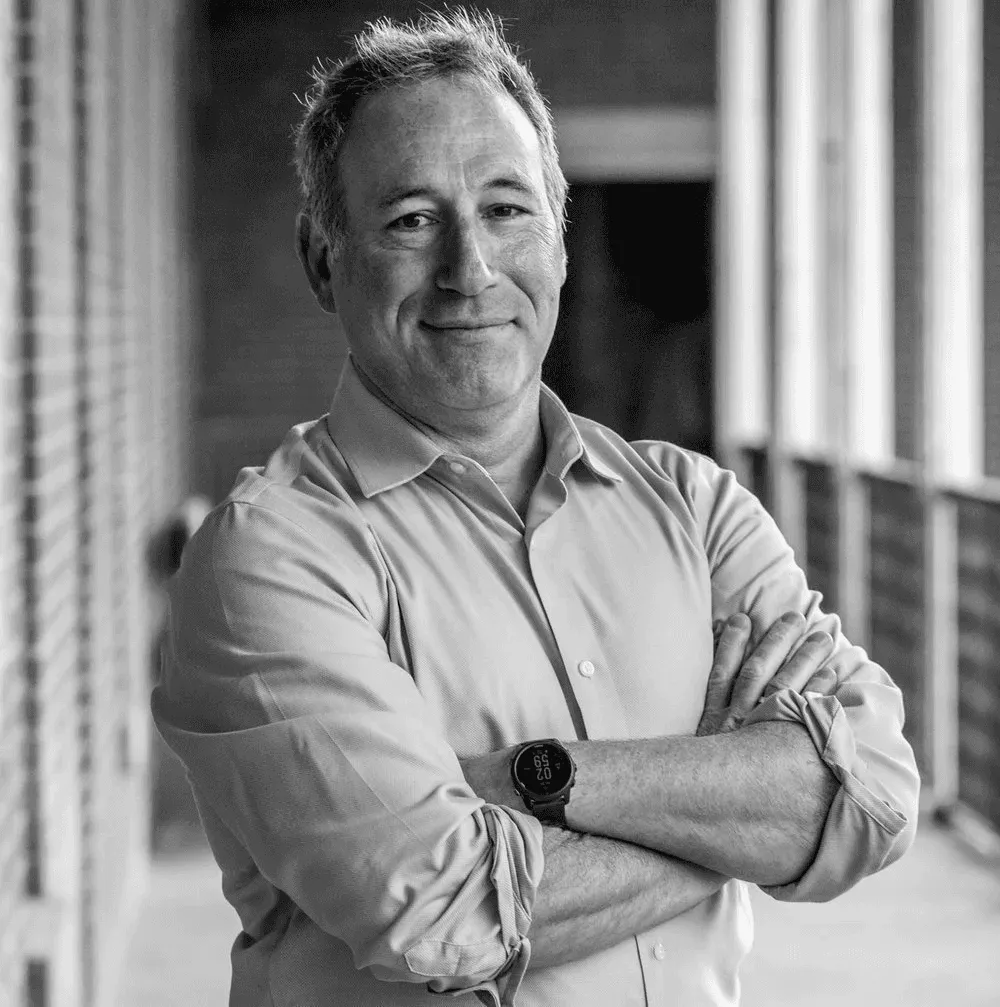
Josh has been providing legal counsel to innovative, forward-thinking, technology companies for over 25 years. Known as a trusted business partner and proven leader, Josh collaborates across the organization, providing pragmatic legal advice and practical business guidance, creatively solving complex problems, all while mitigating business and legal risk.
To build the step change in energy density needed to truly unleash mass adoption of electrification: a new material, a new platform, a new manufacturing model, developed and made here in the USA.
To become the leading American materials and systems company, bringing first principles engineering to automotive scale across the industries that power our world.

Only three. People first, solutions engineered from first principles, and everything made in the USA.










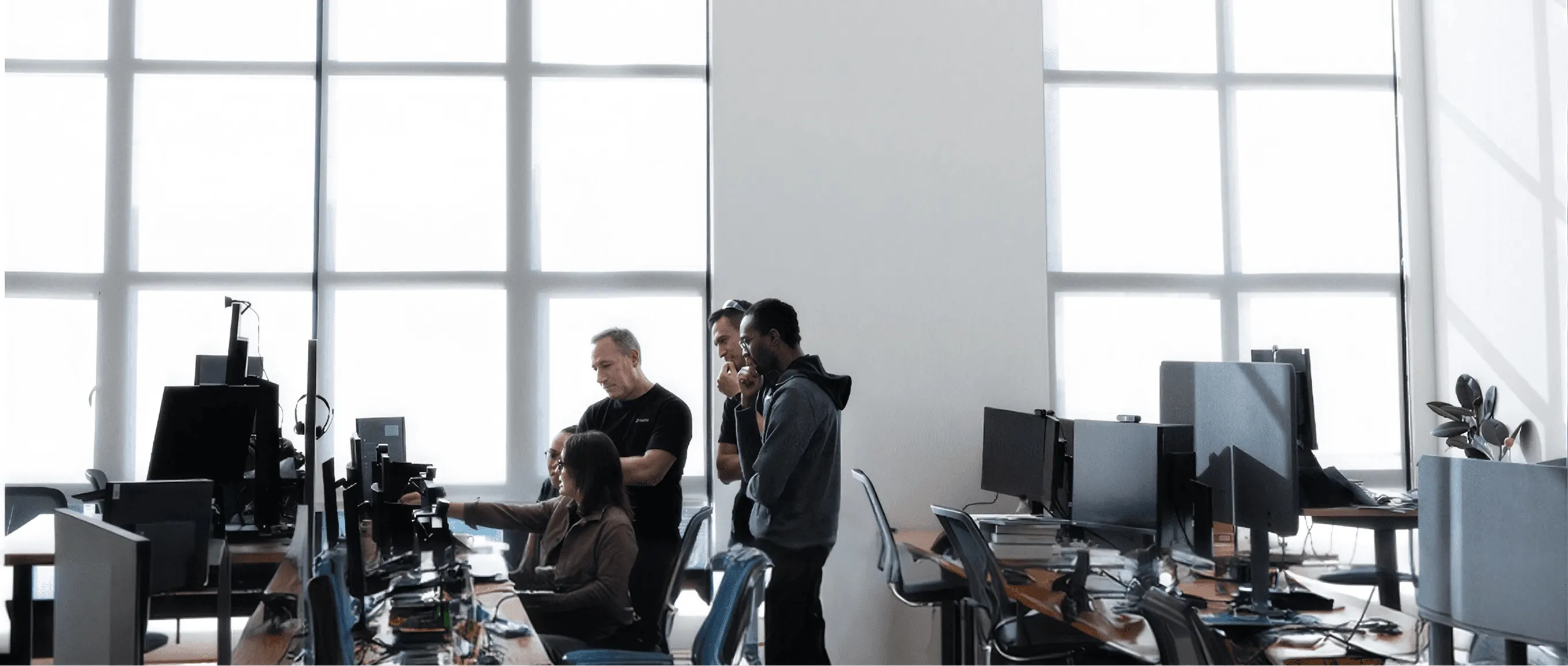
Estes was founded in April 2024 by engineers who have built battery factories and electrified vehicles across multiple transportation modes – passenger car, on-highway (medium and heavy duty trucks, transit and coach buses) and off-highway (port equipment and construction equipment). The founding team is comprised of Dustin Grace (CEO, formerly Tesla), David Lai (Chief Engineer, formerly Tesla), Çağkan Yildiz (CTO, formerly Sila), and Tolga Yildiz (Head of Partnerships, formerly Cummins).
The Estes founding team brings decades of hands-on experience electrifying passenger cars and commercial vehicles and building battery factories at scale. CEO Dustin Grace spent nearly a decade at Tesla developing battery packs for the Roadster, Model S, Model X, and Model 3, before departing in 2015 to build Proterra's commercial battery development and manufacturing capability from the ground up. He served as CTO from 2020 through the company's 2021 IPO, continuing in that role until Proterra's 2023 restructuring and the subsequent acquisition of its battery division by Volvo Group. Estes CTO Çağkan Yildiz draws on broad experience across battery materials and systems engineering from roles at Cummins, Sila Nanotechnologies, and Proterra. Chief Engineer David Lai brings deep expertise across all aspects of battery development and testing, including five years at Tesla (2011–2016) followed by seven years leading Cell and Systems Engineering at Proterra (2016–2023). Head of Partnerships Tolga Yildiz built a billion-dollar sales pipeline at Proterra and brings corporate strategy experience from Cummins. Together, the team co-founded Estes in April 2024 to accelerate the US electrification market's inevitable transition away from fossil fuels, through disruptive performance and economics.
Estes is headquartered in San Francisco, California. Battery products are developed and manufactured in the United States from primarily US-sourced raw materials, cells, and components. Estes is currently evaluating sites to locate its second manufacturing facility across California, Arizona, Utah, New Mexico, and Colorado as it scales production to meet customer demand, weighing the optimal combination of workforce, infrastructure, and policy incentives to support long-term growth.
The distinction is process ownership. Most battery companies purchase cells, enclosures, and thermal components from upstream global suppliers and integrate them into a finished battery pack. The value-add is integration, not manufacturing. Estes starts further upstream, procuring raw magnesium and converting it into thermo-structures using metal mixing, forming, and coating processes that Estes developed and operates in-house. The resulting magnesium thermo-structure serves dual roles: as primary load-bearing enclosure and as the thermal management architecture of the pack. Integrating magnesium thermo-structures into high-voltage battery systems required Estes to develop a proprietary end-to-end manufacturing process. Without it, the Magnus™ platform could not be built. That is the practical definition of a manufacturer: the product required the process, and the process had to be invented.
Customers across rail, defense, aviation, and on- and off-highway markets face mounting pressure to demonstrate supply chain traceability and are actively seeking to reduce dependence on foreign-sourced critical materials and components. The regulatory environment is moving in one direction. Buy America Build America (BABA) requirements govern federally funded procurement across surface transportation. The National Defense Authorization Act (NDAA) restricts Department of War (DoW) procurement of batteries containing materials or components sourced from foreign entities of concern. Non-FEOC mandates embedded in federal guidance are reshaping commercial battery supply chains as well. Across these frameworks, the common thread is the same: traceable, domestic sourcing is no longer a differentiator, it is a requirement. Magnus™ is built for this environment. US-sourced raw materials, US-developed technology and processes, US-based manufacturing. For customers navigating compliance obligations today (or anticipating them), Magnus™ removes the sourcing risk.