Magnus™: An advanced battery platform built for the next generation of electrification.

Magnus™: An advanced battery platform built for the next generation of electrification.

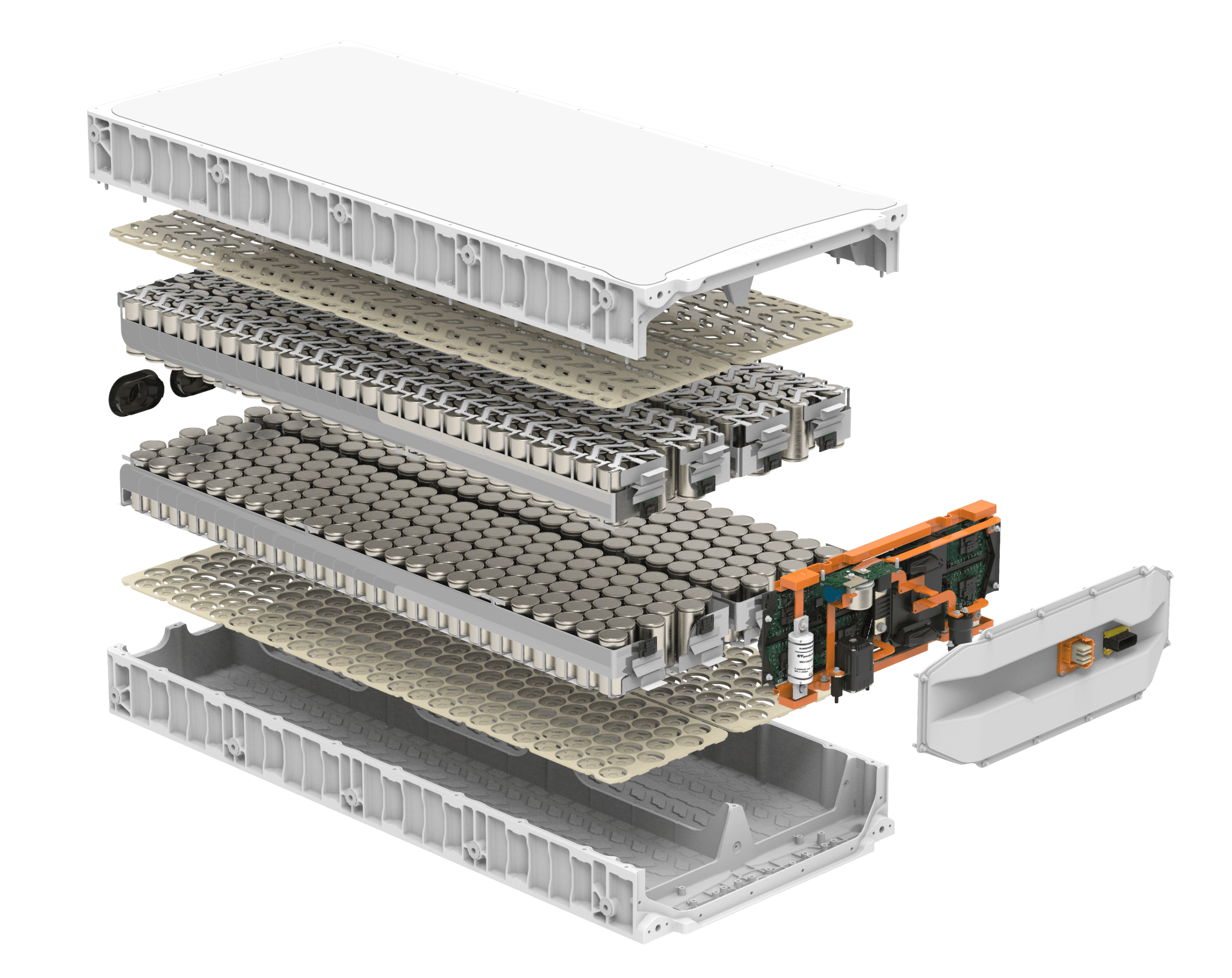
Magnus is Estes' patented, scalable battery platform comprised of MgCarbonit, Estes' proprietary magnesium alloy, using domestically sourced, commercial grade lithium-ion cells. Over 80% gravimetric cell-to-pack efficiency, with a safety profile and TCO economics that excel in commercial duty cycles.

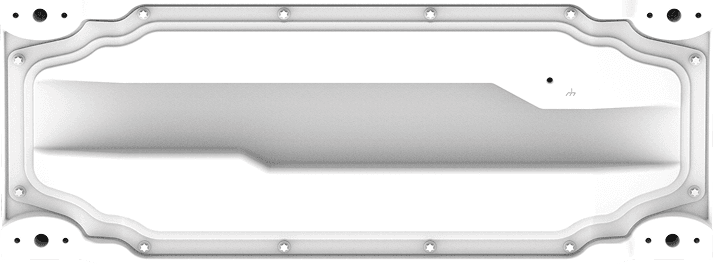
Magnesium alloy battery component render

Our First Product

The Magnus platform

Magnus is a fully scalable battery platform offered in all major voltage classes up to 1000 VDC. Available in three sizes: Magnus I, II, & III.

Soft gradient background image behind card content

Magnus

LV

Low voltage auxiliary systems

48V / 100V

9 kWh

Soft gradient background image behind card content

Magnus

Highway, commercial, marine

400V / 800V

69 kWh

Soft gradient background image behind card content

Magnus

+

Rail, Class 8 truck

500V / 1000V

78 kWh
Magnus. 225 Wh/kg.

Magnus. 225 Wh/kg.

Magnus uses today's commercially available cells. What’s different is everything built around them. The thermo-structural body is cast from MgCarbonit™, Estes’ proprietary magnesium alloy: structural, non-flammable, and a third lighter than aluminum. The result is energy density of 225 Wh/kg delivered from a platform that no conventional pack architecture can match.

Magnus uses today's commercially available cells. What’s different is everything built around them. The thermo-structural body is cast from MgCarbonit™, Estes’ proprietary magnesium alloy: structural, non-flammable, and a third lighter than aluminum. The result is energy density of 225 Wh/kg delivered from a platform that no conventional pack architecture can match.

Magnus battery platform scalability hero image

82%

 gravimetric conversion efficiency

50%

reduction in non-cell mass

75%

fewer unique components

225

Wh/kg delivered

Magnus battery platform scalability hero image

82%

gravimetric conversion efficiency

50%

reduction in non-cell mass

75%

fewer unique components

225

Wh/kg delivered

One integration.
A portfolio of products.

One integration.
A portfolio of products.

Conventional batteries are too big and too heavy. Estes innovated on the architecture around the cell: every Magnus variant shares the same mounting, thermal, and communication interfaces, so one integration will carry forward across voltage classes, sizes, and cell chemistries. Integrate a Magnus Nickel today without the need to requalify or re-engineer for Estes' Magnus Iron offering (2028).

Conventional batteries are too big and too heavy. Estes innovated on the architecture around the cell: every Magnus variant shares the same mounting, thermal, and communication interfaces, so one integration will carry forward across voltage classes, sizes, and cell chemistries. Integrate a Magnus Nickel today without the need to requalify or re-engineer for Estes' Magnus Iron offering (2028).

Fully Scalable

FUNCTIONAL SAFETY

ISO 26262 up to ASIL D

CYBERSECURITY

ISO 21434

COMMUNICATIONS

SAE J1939

DURABILITY

3000+ cycles

THERMAL MANAGEMENT

WEG 50/50

CHARGE TIME

80% recovery ‹ 45 min

Magnus battery module render
Battery stack layer render

Magnus I

Available across all major voltage classes, in three sizes. Shipping today.

Magnus battery module render
Battery stack layer render

Magnus I

Available across all major voltage classes, in three sizes. Shipping today.

Magnus battery module render
Battery stack layer render

Magnus I

Available across all major voltage classes, in three sizes. Shipping today.

Mix & Match

Mix & Match

Magnus battery platform hero image

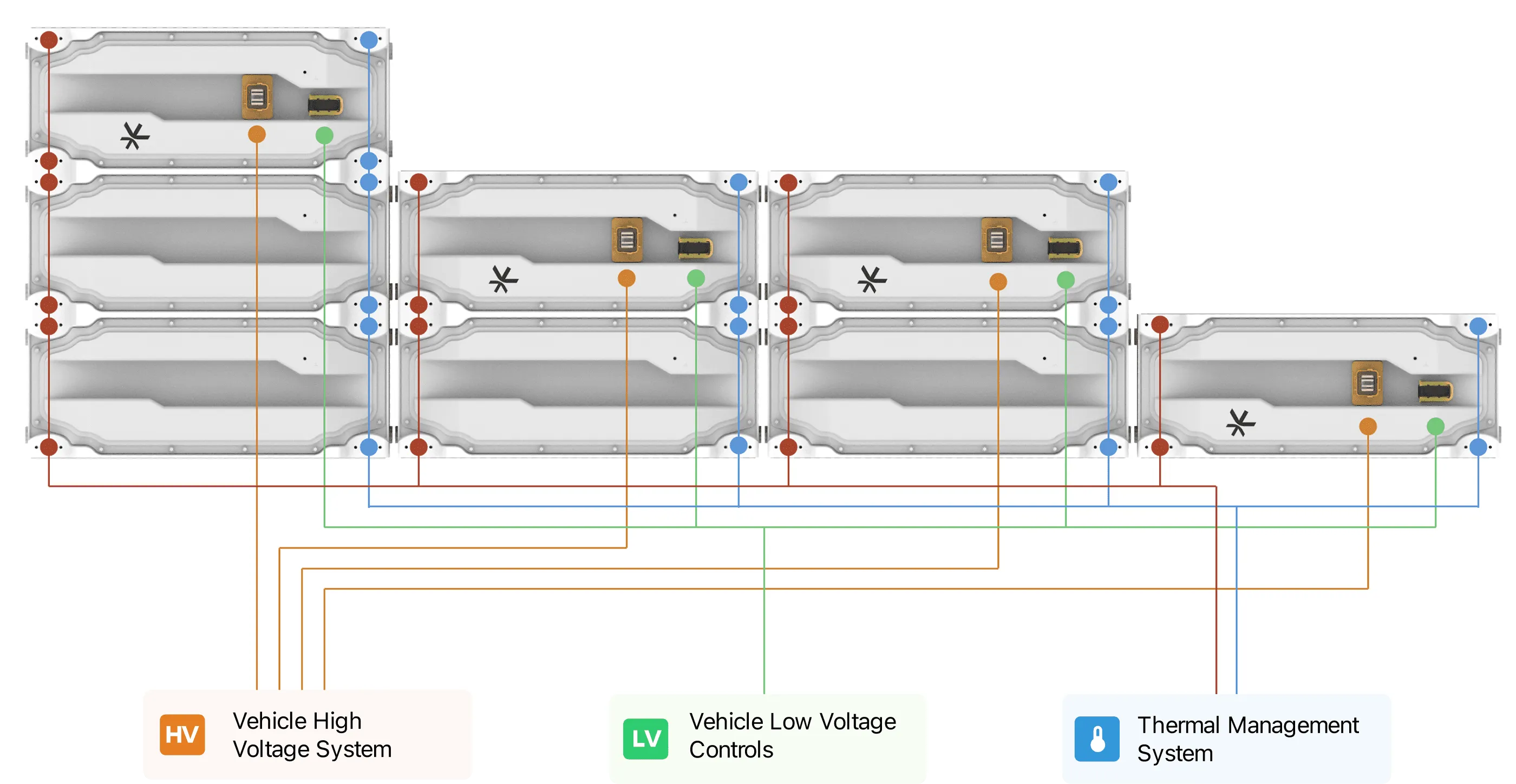
DISTRIBUTED BMS ARCHITECTURE

Enables system redundancy

FUNCTIONAL SAFETY

According to ISO26262 up to ASIL-D

FLEXIBLE BATTERY PACK CONFIGURATION

Single & multi-string battery packs can be intermixed in a system

CYBERSECURITY

Certified to ISO 21434

Chemistry agnostic

Chemistry agnostic

Same box.

Same dimensions & interfaces.

Different capabilities & economics. 

Different performance.

LFP

160 Wh/kg

available 2028

NICKEL

225 Wh/kg

available now

SILICON

280 Wh/kg

available 2028

LFP

160 Wh/kg

est. 2028

NICKEL

225 Wh/kg

available now

SILICON

280 Wh/kg

est. 2028

Heavy-Industrial Class: 1200V / 1500V

At up to 1500V and 200+ kWh per single string, Magnus III is the building block for megawatt-hour class systems where weight, space, and uptime are non-negotiable.

Magnesium alloy structural component sample

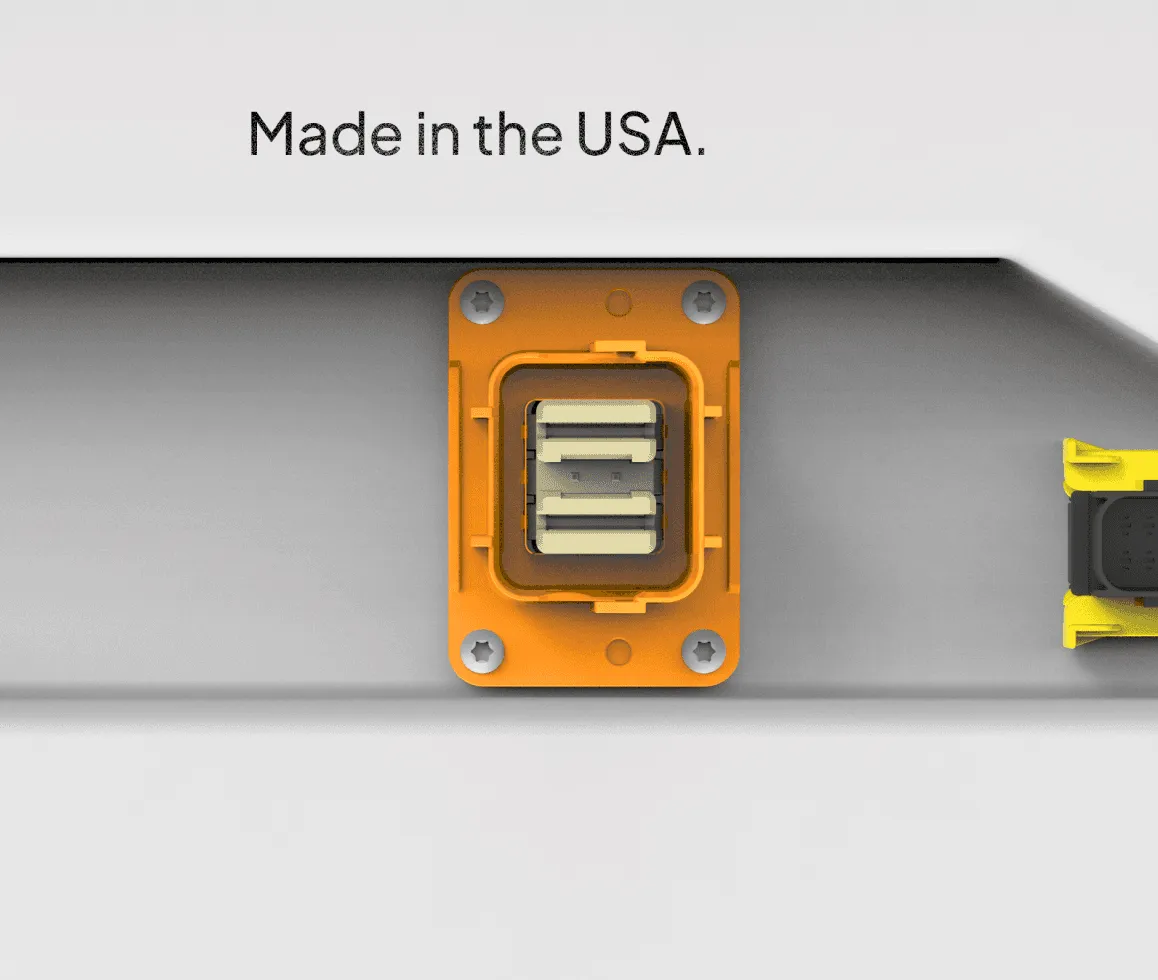
Domestic from the ground up.

Estes is designing its supply chain architecture to meet Buy America/Build America requirements, Department of War non-FEOC mandates, for maximum commercial supply chain resiliency. We design here. We source here. We build here.

“Conventional battery packs got us here. They won’t get us there.”

“Conventional battery packs got us here. They won’t get us there.”

Electrification has always been an efficiency problem, and efficiency, at its limit, is a mass problem. The bottleneck has never been the cell. It’s been everything built around the cell: thermal management, structural components, and pack-level hardware.

Electrification has always been an efficiency problem, and efficiency, at its limit, is a mass problem. The bottleneck has never been the cell. It’s been everything built around the cell: thermal management, structural components, and pack-level hardware.

Autonomous mobility, rail, marine, aviation, on and off-highway can’t absorb that waste. Energy density of conventional pack architecture has plateaued below 190 Wh/kg. That’s the ceiling for the rest of the industry. The floor for Estes is 225 Wh/kg.

Autonomous mobility, rail, marine, aviation, on and off-highway can’t absorb that waste. Energy density of conventional pack architecture has plateaued below 190 Wh/kg. That’s the ceiling for the rest of the industry. The floor for Estes is 225 Wh/kg.

LFP

160 Wh/kg

available 2028

225 Wh/kg

available now

SILICON

280 Wh/kg

available 2028

NICKEL

One integration away.

Every Magnus variant shares the same body, interfaces, and architecture. The engineering work you do today carries forward across voltage classes, form factors, and future cell chemistries. If you're evaluating a battery partner for your next platform, start here.

One integration away.

Every Magnus variant shares the same body, interfaces, and architecture. The engineering work you do today carries forward across voltage classes, form factors, and future cell chemistries. If you're evaluating a battery partner for your next platform, start here.

One integration away.

Every Magnus variant shares the same body, interfaces, and architecture. The engineering work you do today carries forward across voltage classes, form factors, and future cell chemistries. If you're evaluating a battery partner for your next platform, start here.

Frequently asked questions.

Can’t find the answer you’re looking for? We’re here to help.

What makes the Magnus™ battery platform different from conventional pack architectures?

Magnus uses the same US-sourced, commercially available nickel-chemistry lithium-ion cells as conventional battery systems. The difference is everything built around them. Conventional designs spend roughly half their total weight on non-energy-storing components. Magnus eliminates that mass through a thermo-structural body manufactured from MgCarbonit™, Estes' proprietary magnesium alloy, delivering 225 Wh/kg compared to the crowded field of conventional systems at 170 to 190 Wh/kg (assuming cell equivalency). Same battery cell, radically different system.

What is the Magnus product family?

Is Magnus suitable for Class 8 truck applications?

What is on the Magnus product roadmap?

What are the first industry segments adopting the Magnus™ platform?