Flame-retardant alloys.Giga-scale forming.Ruggedized coatings.
Engineered together, Estes is rebuilding the industrial base for exceptional products derived from magnesium alloys & manufacturing processes.
From raw materials to final form, fit, & function — all under one roof. Made here in the USA.
Our Magnesium Thesis
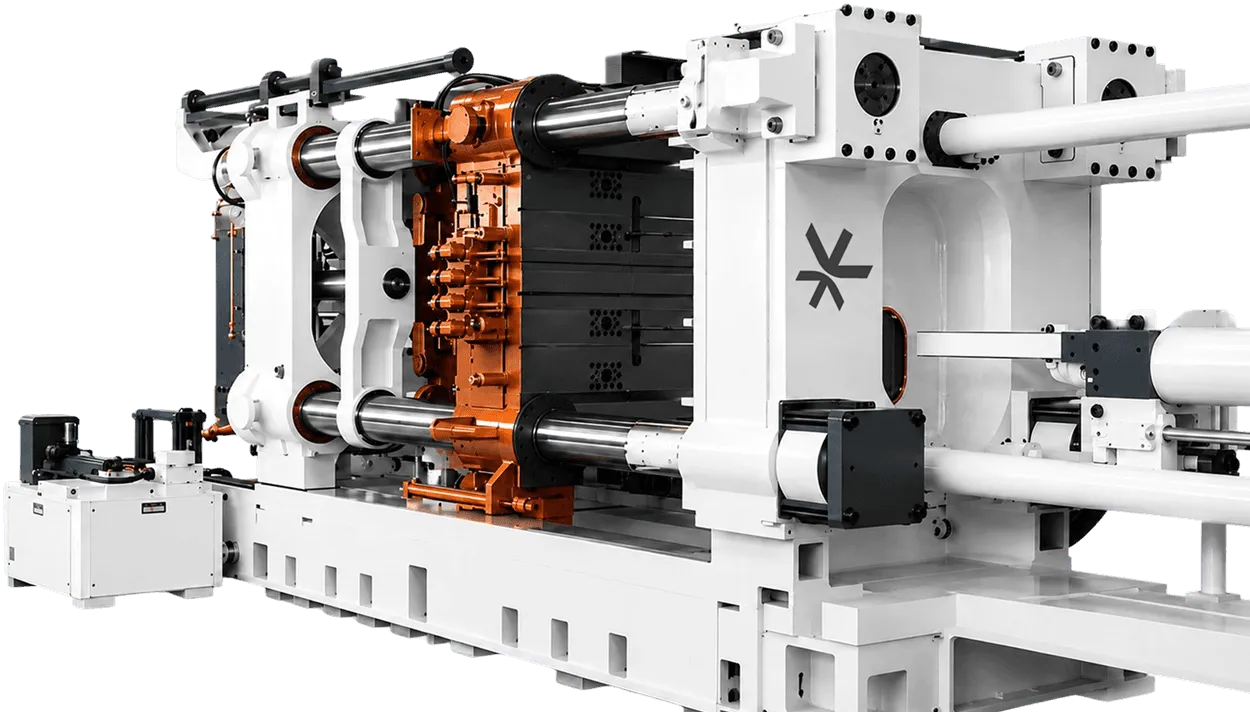
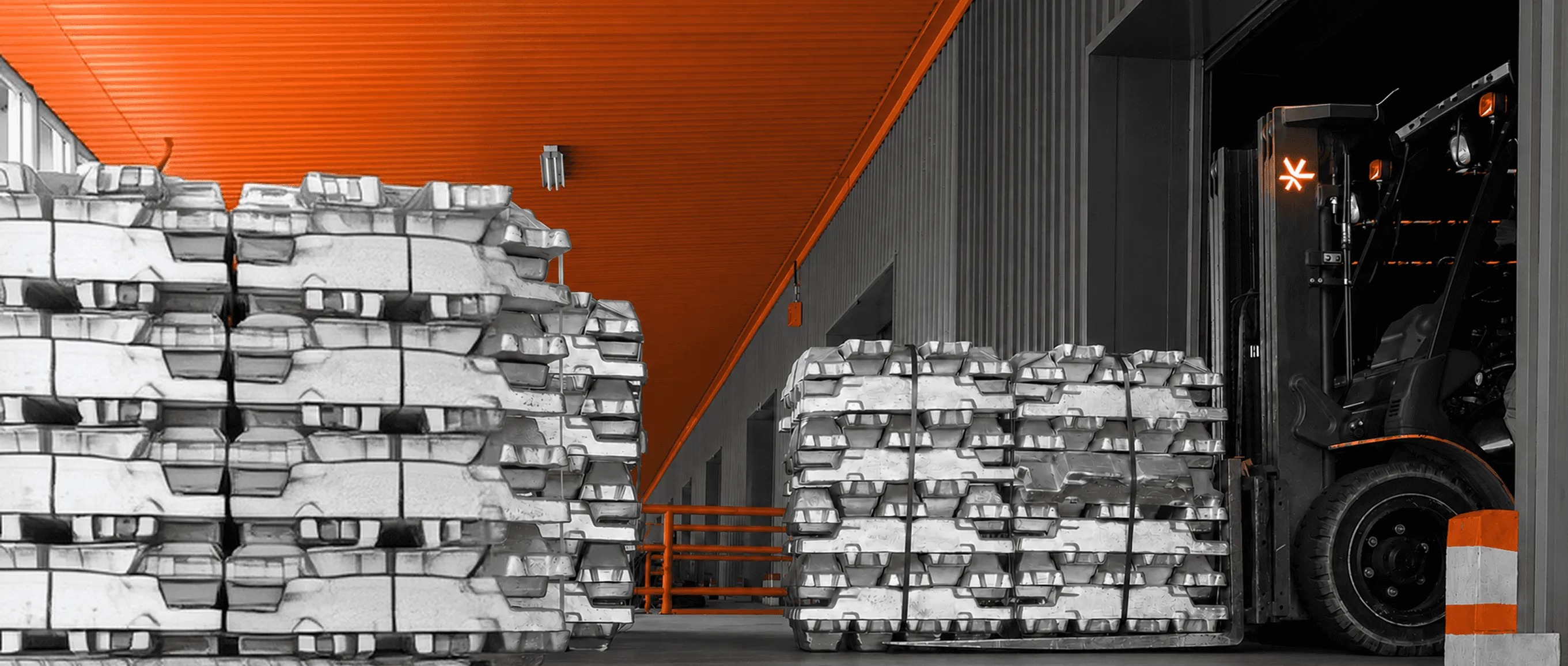
Estes has been quietly innovating across all aspects of this incredible material: flame retardant alloys, an automotive scale forming process, and a multi-layer coating. Together, Estes is building a domestic manufacturing capability for large format magnesium components - built in the USA.
What is the Levius Process?
Estes' proprietary Levius™ process is an end-to-end manufacturing and coating process for magnesium components. It integrates three steps: Estes' flame retardant MgCarbonit™ alloy mixing process, giga-thixomolding, and application of a multi-layer, protective coating that unlocks magnesium for high-voltage cell-to-pack battery architectures. Estes is growing its portfolio of patents pending and trade secrets which cover Levius™ processes, materials, and manufacturing recipes.
How does giga-thixomolding differ from conventional magnesium die casting?
Conventional magnesium die casting injects fully molten metal into a die under high pressure. The fully liquid state requires cover gases to suppress oxidation at the melt surface, gases with global warming potentials orders of magnitude above CO2. The legacy process produces parts with significant porosity, residual stress, and dimensional variance that require substantial secondary machining to reach final tolerances. Thixomolding processes magnesium in a semi-solid state, above the solidus but below the liquidus, where the alloy exhibits thixotropic behavior and flows under shear stress. Because the material never reaches full melt, oxidation is suppressed without cover gases, porosity is dramatically reduced, and the resulting microstructure retains mechanical properties (strength, ductility, fatigue resistance) that fully liquid casting cannot achieve. Parts exit the process near-net-shape, with the dimensional stability required for high-volume production without extensive secondary operations. Giga-thixomolding applies this process at a scale and clamping force capable of producing the large-format structural components that battery systems require.
Can Magnus™ integrate next-generation cell chemistries without an architecture redesign?
Yes. Magnus is cell chemistry and form factor agnostic. The cell-to-pack architecture supports various cell form factors and chemistries within the Magnus form factor, allowing the platform to transition from current NMC cells to LFP and next-generation silicon anode cells. The 'inside' of the pack accommodates different cell form factors and chemistries, while the 'outside' pack dimensions and interfaces remain unchanged, promising minimal impact on vehicle integration. OEMs integrating Magnus today with NMC will not need to requalify the vehicle interface when the LFP variant is made available. Different cell characteristics will allow OEMs to multiply their application offerings depending on what they want to offer their customers: use an LFP Magnus for a lower-cost vehicle, and an NMC Magnus for a higher energy premium version. One battery pack integration cycle can unlock many options for OEMs.
What certifications will the Magnus™ platform obtain?
The Magnus™ platform is certified or tested to satisfy the primary regulatory requirements for commercial vehicle homologation across most export markets, as well as rail, marine, and off-highway applications. Automotive/Commercial Vehicle: Certified to UN 38.3, ISO 21434; Tested to ECE R100-3; Designed in accordance with ISO 26262 (up to ASIL D, out-of-context component). Rail: Tested to IEC 62619, 62928; Designed in accordance with IEC 62620, APTA-PR-PS-WP-007-24. Marine: Certified to Lloyd's Register Type Approval, LR-TS-01, LR-TS-05; Tested to IEC 62619; Designed in accordance with IEC 62620, ASTM F3353. MgCarbonit™ alloys: FAA Aircraft Materials Fire Test Handbook, Chapter 25 — Oil Burner Flammability Test — PASSED by EASA-approved laboratory, suitable for aircraft cabin structural applications per FAR/JAR and EASA requirements.
Where is the Magnus™ platform manufactured, and what are its domestic content credentials?
Today, Magnus batteries are produced in San Francisco, California, USA. Estes is currently evaluating sites for factory expansion in California, Arizona, Utah, New Mexico, and Colorado. The Magnus™ battery platform is fully domestic: US-sourced raw materials, US-sourced cells, US-developed technology and processes, and US-based manufacturing. Estes battery packs meet the requirements of procurement programs subject to Build America/Buy America (BABA) requirements, Department of War non-FEoC mandates, and the National Defense Authorization Act (NDAA), which restricts the use of batteries manufactured by covered foreign entities in defense applications.